My name is Kathy Cologon. I am Associate Professor and Associate Director Children, Families and Community at the Children’s Voices Centre at Charles Sturt University. My research focuses on inclusion, inclusive education, and disability studies – and the experiences of perspectives of children within all of these.
Welcome to my blog! This is a space where I share a little about the wonderful people I meet and the everyday experiences I have as we work together toward inclusion through research and advocacy.
Children’s Voices Centre Children’s Advisory Group at COSP19!
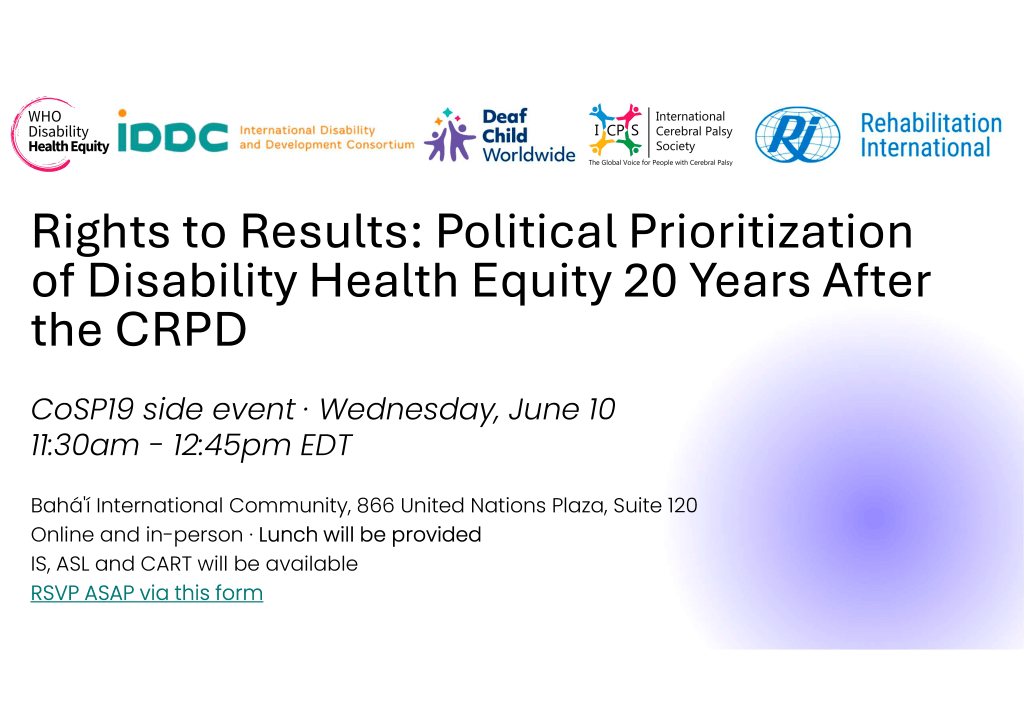
I am very proud to share that eight members of our Charles Sturt University Children’s Voices Centre’s Children’s Advisory Group are presenting (via a video they have created) at the World Health Organization Disability Health Equity Network CoSP19 side event: Rights to Results: Political Prioritization of Disability Health Equity 20 Years After the CRPD.
Date: Wednesday, 10 June Time: 11:30am – 12:45pm EDT (for Aussie peeps, this is 2:30am Thursday!)
This event will explore disability health equity 20 years after the Convention on the Rights of Persons with Disabilities, with a focus on political prioritisation and moving from rights-based commitments to meaningful outcomes.
The children will share their perspectives on health equity for children with disability, and share what they learned through analysing 126 children’s drawings from children all over the world as part of our Children Draw Health Project at the Children’s Voices Centre https://www.csu.edu.au/research/childrens-voices-centre/research/childrens-health
The children’s messages come with conviction and care in the hopes for equity for all.
Beyond Words:
Inclusion Through Arts-Rich Experiences
9th May 2026
I am so delighted to share a paper, “Beyond Words: Inclusion Through Arts-Rich Experiences,” published in the European Early Childhood Education Research Journal written with the wonderful Dr Olivia Karaolis. You can read the paper here: https://www.tandfonline.com/doi/full/10.1080/1350293X.2026.2653671#abstract
This paper explores how children’s participation can be understood beyond spoken language. Children have a right to be heard, yet in early childhood settings, “voice” is often narrowly understood as verbal expression. This can unintentionally marginalise children who communicate, participate and connect in diverse ways, including children who experience disability.
Drawing on an inclusive arts-based project, the paper explores how puppetry can create rich opportunities for children to express themselves through gesture, touch, movement, affect, material interaction, play and relational presence. Using portraiture methodology and Lundy’s model of participation, addressing space, voice, audience and influence, we show how children’s ideas shaped routines, curriculum and relationships.
At the heart of the paper is Joy, a Bilby puppet who became part of the research and pedagogical process. Through Joy, children shared what joy meant to them: happiness, love, family, friendship, gratitude and being together. Just as importantly, children communicated through smiles, laughter, gentle touch, curiosity, care and imaginative play.
The paper explores ways in which listening to children requires more than hearing words. It requires us, as educators and researchers, to notice, value and respond to children’s many ways of communicating. Participation is not a single event or consultation activity, but an ongoing, relational and ethical process.
We hope this paper contributes to conversations about children’s communication rights, inclusive early childhood practice, anti-tokenistic participation and the role of the arts in creating spaces where every child is recognised as a capable communicator.
Ultimately, the paper affirms that joy is not an optional extra in early childhood education. Joy can be a marker of agency, trust, belonging and meaningful participation. When we listen beyond words, we create richer possibilities for inclusion, dignity and connection.
Image description: Dr Olivia Karaolis with puppet, Joy, who is a Bilby. Olivia and Joy are sitting on the floor in an early childhood centre engaging with children (the children are not in the photo).
I was so delighted today to hear from the wonderful Jodie Cox, Director at the George Street & Brunswick Street East Maitland Preschools that these beautiful preschool communities will be celebrated at this upcoming exhibition of children’s art at the Maitland Regional Gallery.
Jodie, Brooke, and the whole team at East Maitland are a wonderful example of respectful engagement with children, founded on children’s rights.
Image: A collaborative artwork by children depicting East Maitland Preschool – a dream preschool
Children’s Voices Conference 2026
It was wonderful today to meet together with the Children’s Voices Centre’s Thursday Research Community Meeting to work on abstract to submit for the Children’s Voices Conference 2026.
Abstracts close Monday 11th May!
The theme for our conference is “Creating a more inclusive world for children”. A theme I am very excited about.
This is a FREE international conference (with FREE registration, FREE abstract submission, and it is FREE to attend)!
If you are a practitioner, established or emerging researcher, or research student, doing work with, for, or about children (from early childhood through to adulthood), this is the opportunity to share your work! Abstracts are open now and close on Monday 11 May 2026. All abstracts are considered by the scientific review committee and outcomes will be notified in July.
The conference will run from Sep 1-3 2026. All presentations will be prerecorded and streamed online, with perpetual access to presentations.
Our previous conferences have attracted approximately 1,500 participants from around the world, along with countless presentation views post the conference.
As co-chair, along with the wonderful Distinguished Professor Sharynne McLeod and Associate Professor Tamara Cumming , I couldn’t be more excited to invite you to register, present, and share widely!
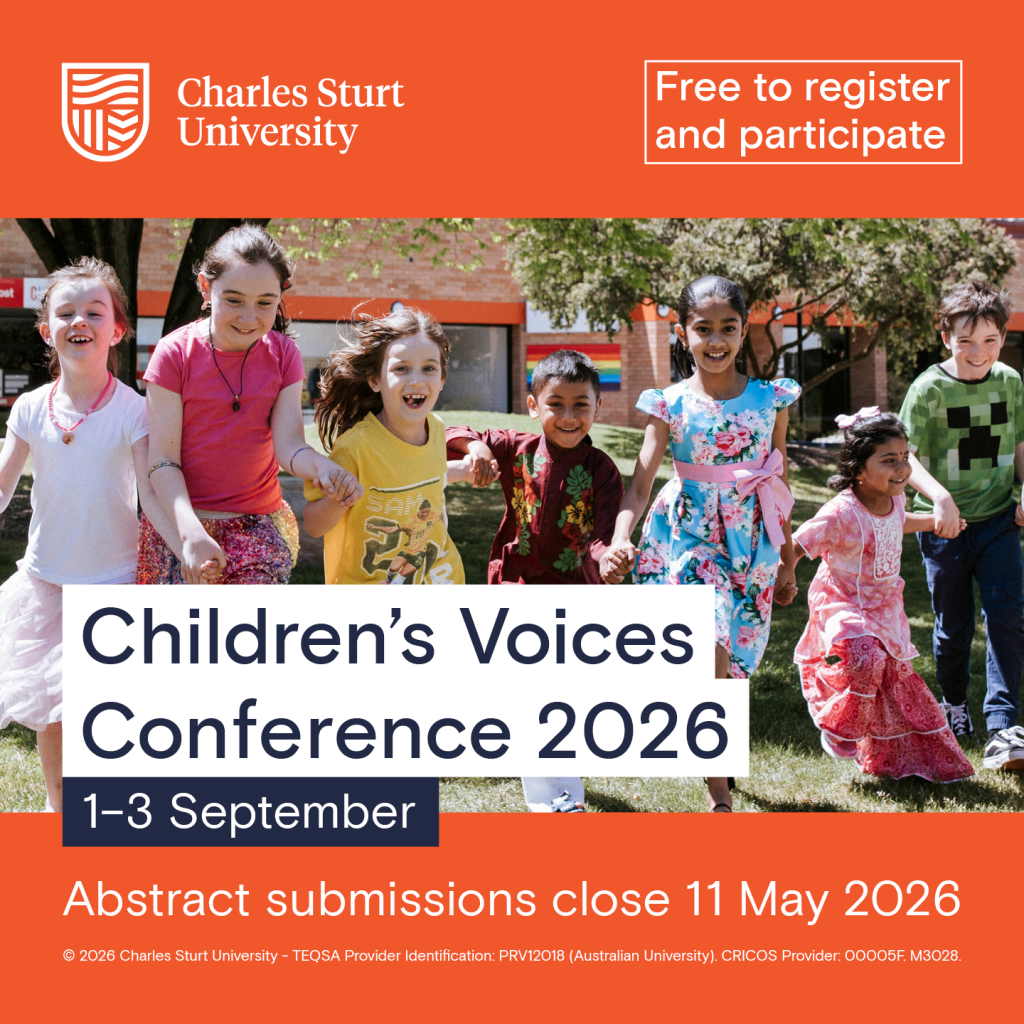
Image description: An orange tile with the Charles Sturt University logo and the following words: Free to register and participate Children’s Voices Conference 2026 1-3 September Abstract submissions close 11 May 2026 The image on the tile shows a group of seven children holding hands, smiling and running towards the camera.
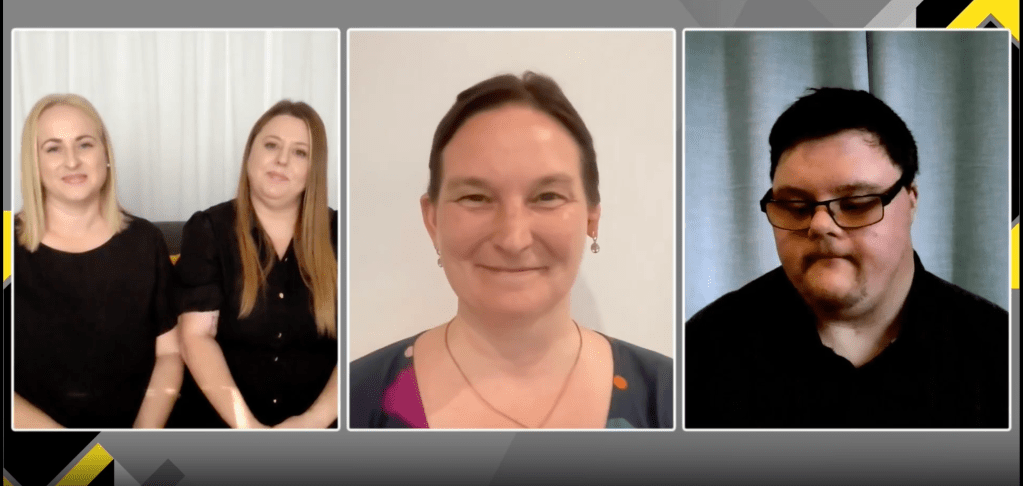
What a delight to open Illume Learning’s 2026 Inclusive Schooling Summit with the fabulous Tim Cologon!
In our presentation, we shared what we have been learning from children and families about what inclusion really means.
Through listening closely to children, we have come to understand inclusion as belonging, participation, and being recognised as a valued contributor. One child’s words have stayed with me: “Inclusion means everyone …and I am a someone in everyone.”
Exclusion is never neutral. When children are left out, it shapes how they see themselves and their place in the world. It can make them feel invisible or as though they do not matter. Inclusion, by contrast, is how children come to know that they are valued. And importantly, children have been very clear with us: disability is not the problem. The problem is when our environments, systems, and attitudes are not yet designed for everyone. And, importantly, that is something we can change.
A central message in our presentation was the importance of truly listening to children. For too long, adults have made decisions on behalf of children without meaningfully including them. Yet children have strong, thoughtful perspectives about fairness, belonging, and what needs to change. What children ask of us is not just to listen, but to take them seriously and to ensure their ideas have influence and lead to action.
If there is one message I hope schools take from our presentation, it is this: broaden what counts as listening, and then act on what children share. When children see that their voices lead to change, trust grows, and they begin to see themselves as contributors and changemakers.
Children notice when things are not fair, but they also imagine how things could be better. If we have the courage to truly listen and to respond, we have the opportunity to create schools and communities where everyone genuinely belongs.
Thank you, Tim, for undertaking this important research with me. You are fabulous, as the feedback during our session attests to. For example:
@anthea8070 Tim’s words perfectly express why inclusion and individual voices need to be heard.
@kimnuske7544 Tim – thank you for such authentic sharing! This is very powerful learning for us.
@JamesWright-b1b You are doing such a great job Tim. And you are really making me think about this topic. Thank you.
@TheRealMrBee2024 Already heard so much authenticity!
@jmoran-NJ Thank you for being so clear and direct about your message. Inclusion is important! Very powerful!
@ShaZiggle BRAVO TIM!!! Thank you for valuable work and time today!
@kimnuske7544 Thank you so much Kathy and Tim!!!
@ClaireBennett-m9w Yes! Inclusion is NOT an optional extra
@sarahneal1385 Thank you Kathy and Tim!
@LeanneWoodley-j6d inspiring words to open this summit
@putezkoia-hamling1042 Thank you Tim and Kathy. Outstanding insights and sharing! Great way to lead our mahi for today
@Anthea Thank you to Kathy and Tim for your presentation at the Inclusive Schooling Online Summit. I absolutely loved listening to you both. Tim, you are an absolute star x
Thanks to Rachel and Amanda for inviting us to join the wonderful team of people presenting at the summit!
Celebrating World Down Syndrome Day 2026
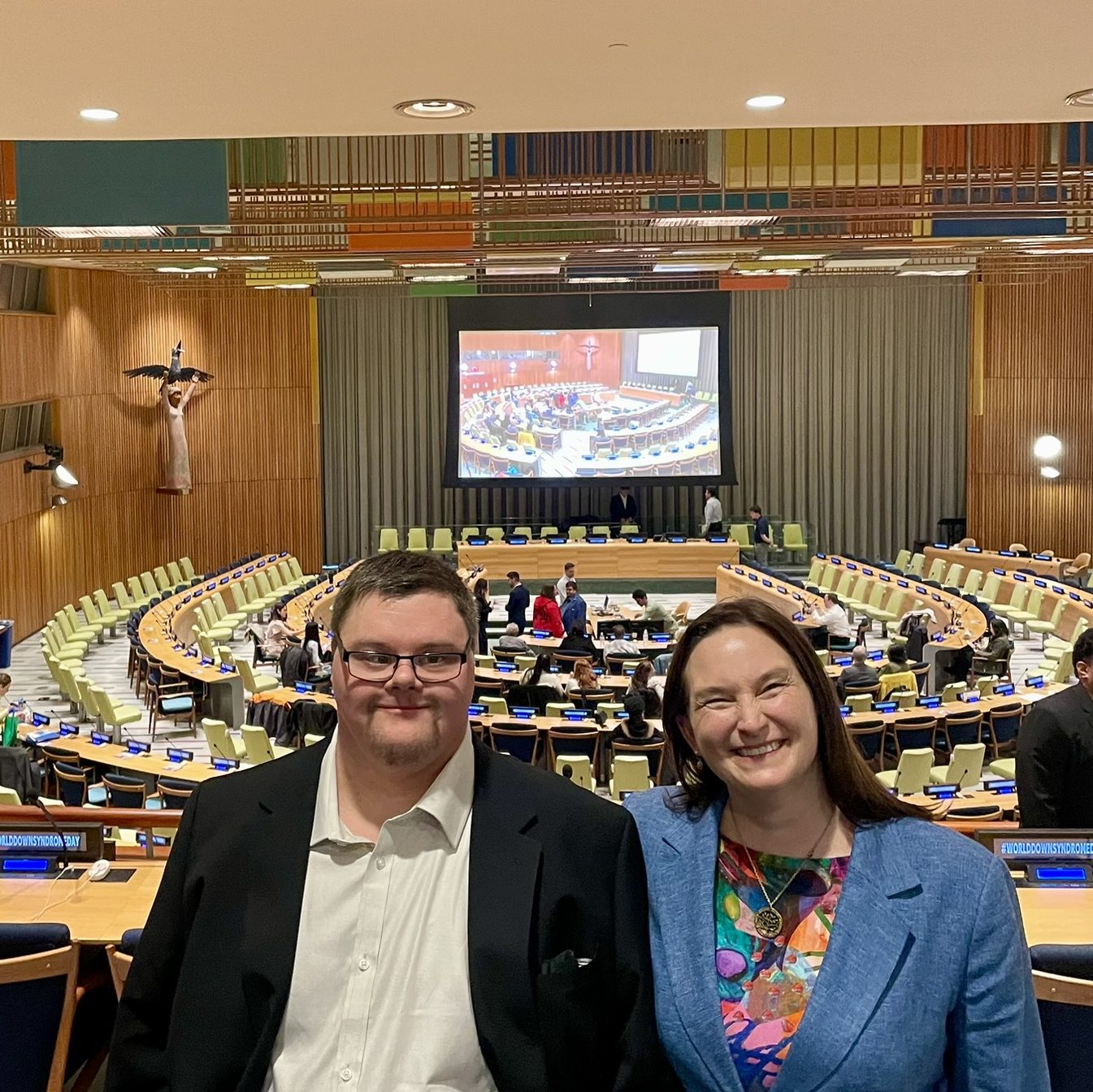
What an amazing experience it has been, visiting New York with my brilliant brother Tim to present at the United Nations for World Down syndrome Day 2026! Here we are entering the Trusteeship Council Chambers getting ready ahead of our session.
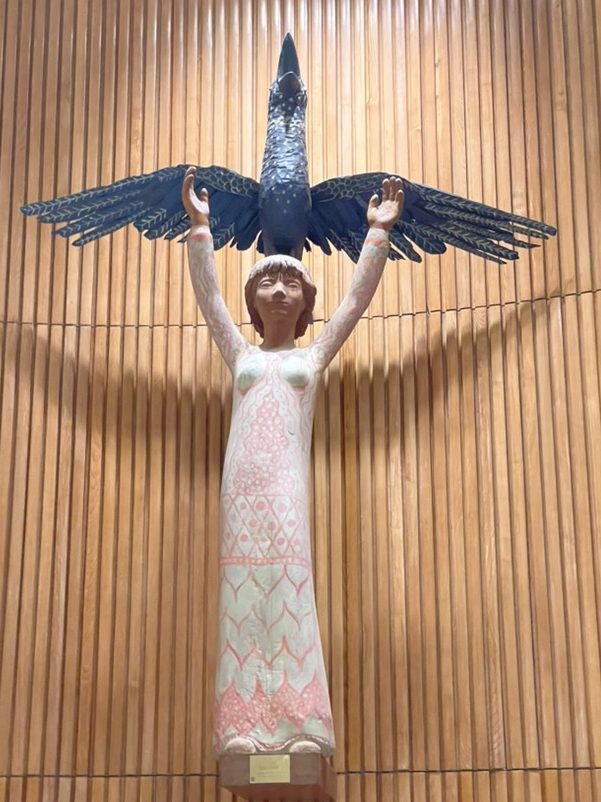
And behind us, the beautiful sculpture titled “Mankind and Hope” created by Danish sculptor Henrik Starcke, gifted to the United Nations by the Danish Government in 1953. What a beautiful symbol as we gathered together against loneliness.
Not only did we get to speak to the world at the United Nations in this remarkable place, we also got to celebrate with so many wonderful people! There are so many more wonderful people who we met than we can include, but we did get photos with some people and want to share!
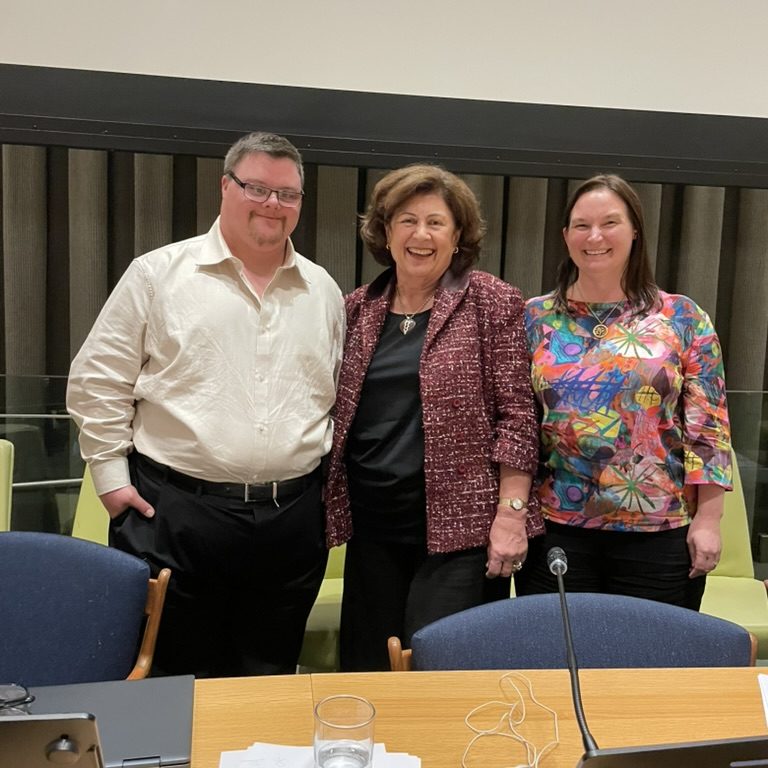
In this photo we are with Bridget Sneddon, the President of Down Syndrome International, who opened and closed the World Down Syndrome Day Conference.
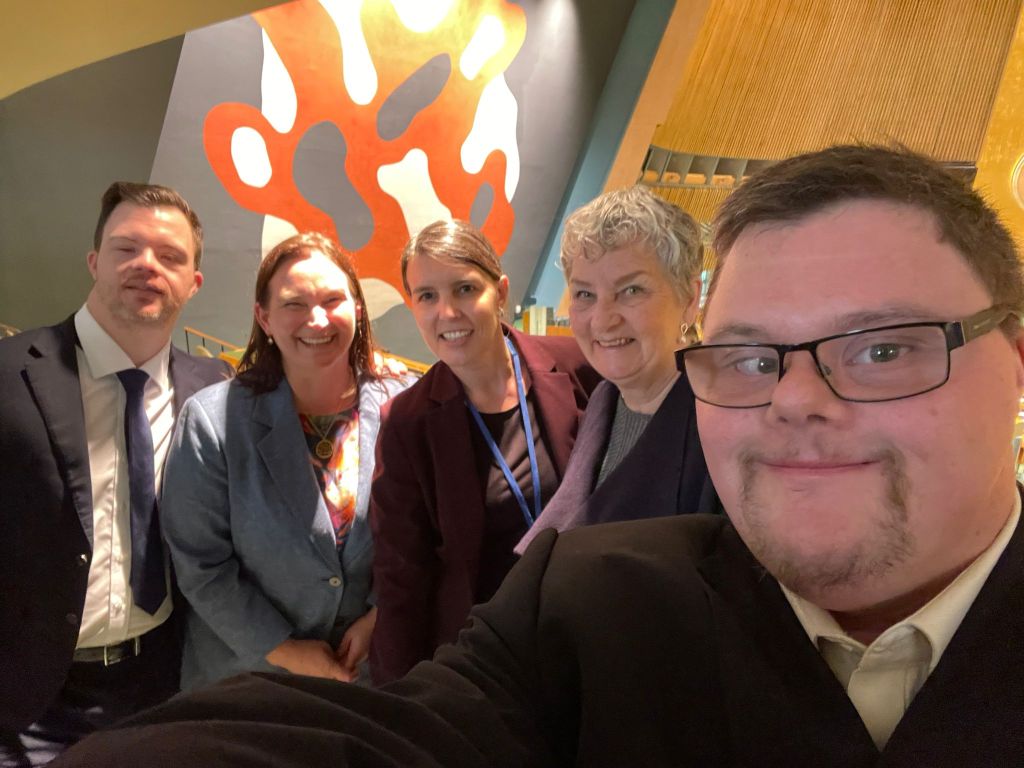
In this photo is the Australian contingent at the United Nations! From left to right we have Michael Cox (Down Syndrome Australia Board Member and self-advocate who chaired our panel and shared his personal experiences), myself (Kathy Cologon, Associate Director of the Children’s Voices Centre, Charles Sturt University), Sheona McKenna (Counsellor for Development and Humanitarian Affairs at the Australian Permanent Mission to the UN, New York) and Tim Cologon (Researcher at Toward Equity, Diversity and Inclusion).
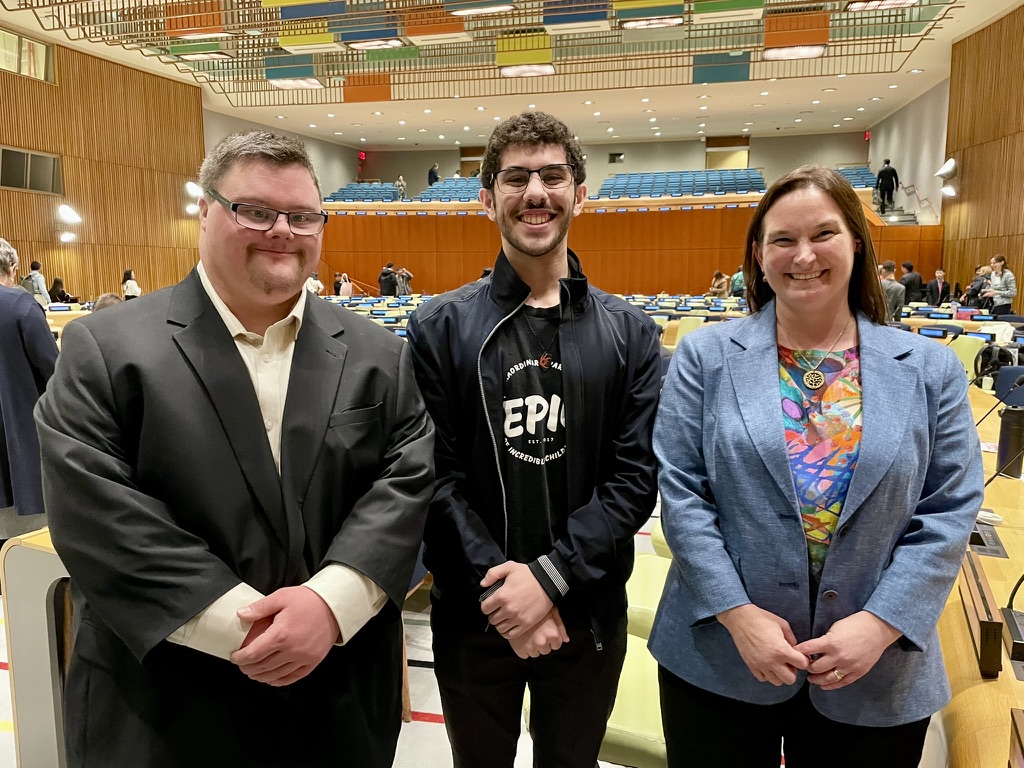
Here we have Tim, Matheo Santos, and Kathy standing in the Trusteeship Council Chambers. Mateo is a teacher education student at Montclair State University attending the World Down Syndrome Day Conference as the president of EPIC family group.
In this photo we stand with Robin Gibson, the Inclusion and Self-Advocacy Lead at Down Syndrome International, who was the power behind the scenes who made this amazing event happen. Thank you, Robin!
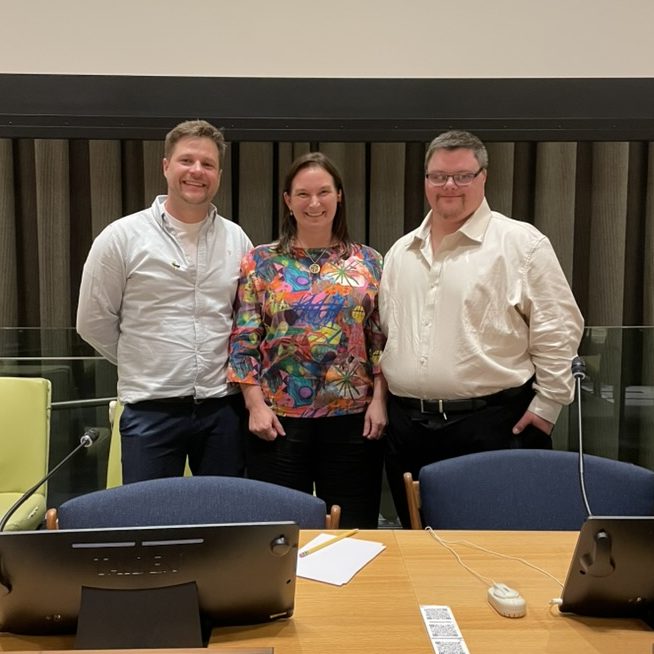
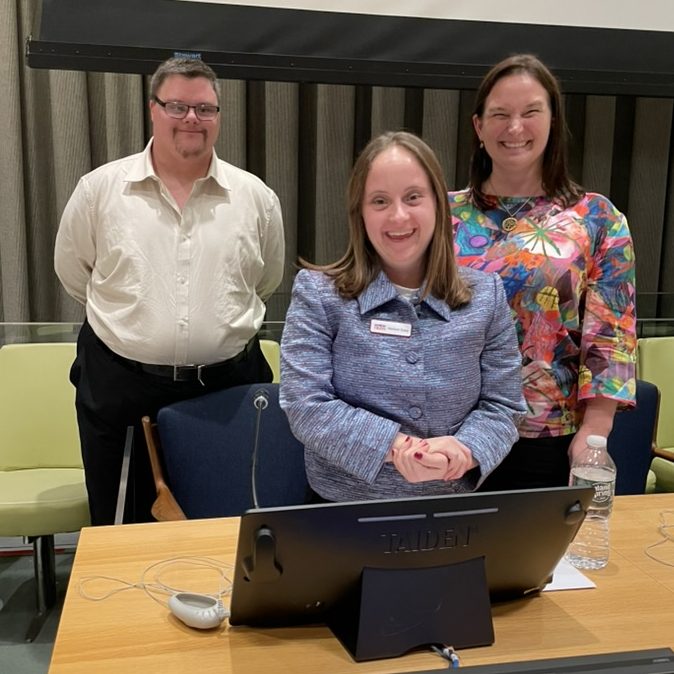
And rounding off with a photo of Tim Cologon, the fabulous Madison Essig (administration coordinator at National Down Syndrome Society), and me (Kathy Cologon).
What a wonderful place to celebrate World Down Syndrome Day with these and so many other wonderful people in person and online around the world! Hopefully these are connections that will grow. Thanks for having us!
Meeting of minds IRL!
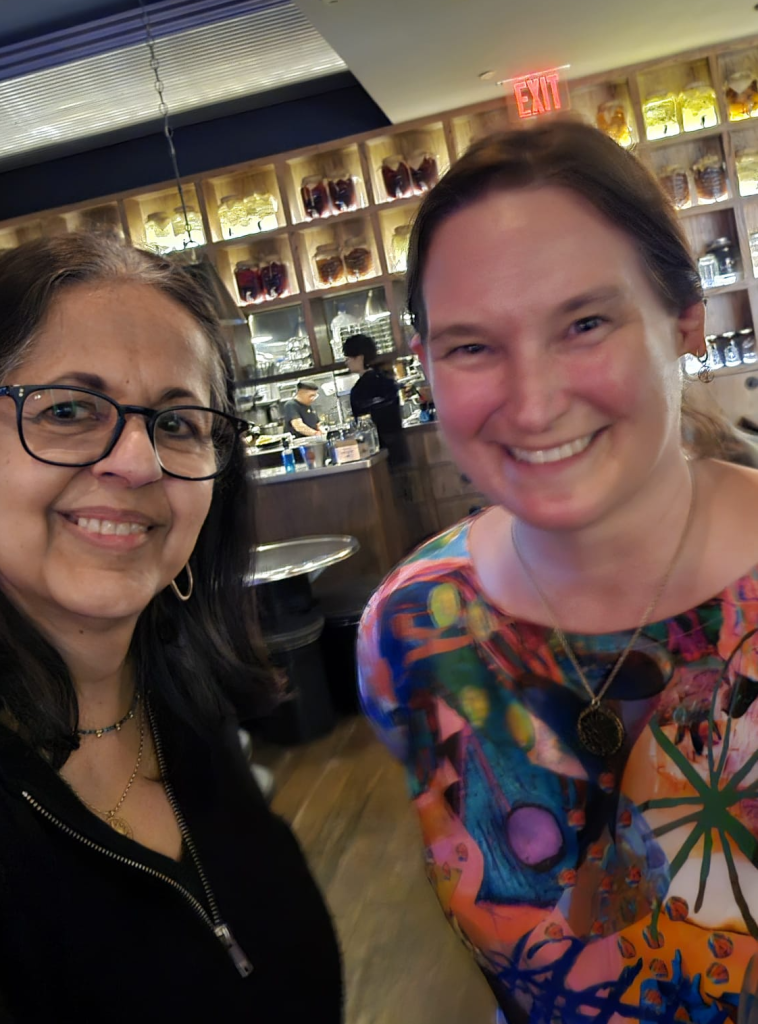
One of the highlights of visiting New York for me was the chance to spend time with the brilliant Priya Lalvani in real life (or IRL, as the kids say!).
I really respect and admire Priya’s work in disability studies and inclusive education. We have read each other’s work and connected online at many different points in time – including when Priya wrote a wonderful chapter for the second edition of Inclusive Education in the Early Years: Right from the Start. However, with Priya working at Montclair State University (New Jersey, USA), while I work at Charles Sturt University (Bathurst, Australia), we’ve never quite managed to be in the same place at the same time in this vast globe.
Sharing ideas and plenty of laughs together was wonderful! Thanks Priya.
Image description
A selfie of Priya and Kathy with the lights of a restaurant in Koreatown NYC behind us. We are both smiling at the camera.
Amazing people in an amazing place!
Attending and speaking the 2026 World Down Syndrome Day (WDSD) Conference at the United Nations Headquarters in New York City was an amazing experience. One of the great highlights was meeting Sheona McKenna, Counsellor for Development and Humanitarian Affairs at the Australian Permanent Mission to the UN, New York.
We were very lucky to have a personalised ‘behind the scenes’ of the UN Headquarters as Sheona took us around to see the amazing, moving, and spectacular places within the UN buildings, before lunch upstairs looking over the River.
It was wonderful to hear about the work that the Australian Permanent Mission to the UN is doing, and to learn about the connections between the work of the Children’s Voices Centre (CVC) and the Australian Permanent Mission’s collaborations with UNICEF Australia. Thank you, Sheona! We hope to contribute to the important work you and the Permanent Mission are doing.
Image descriptions
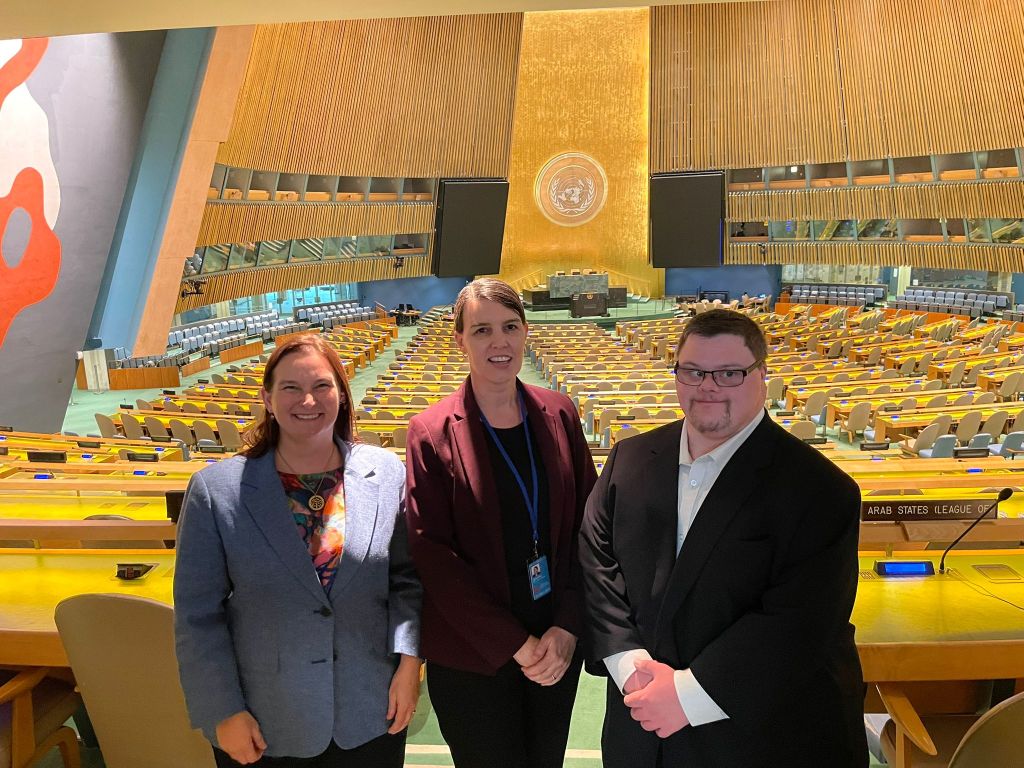
Image 1: A photo of Kathy Cologon, Sheona McKenna, and Tim Cologon in the General Assembly at the United Nations Headquarters in New York.
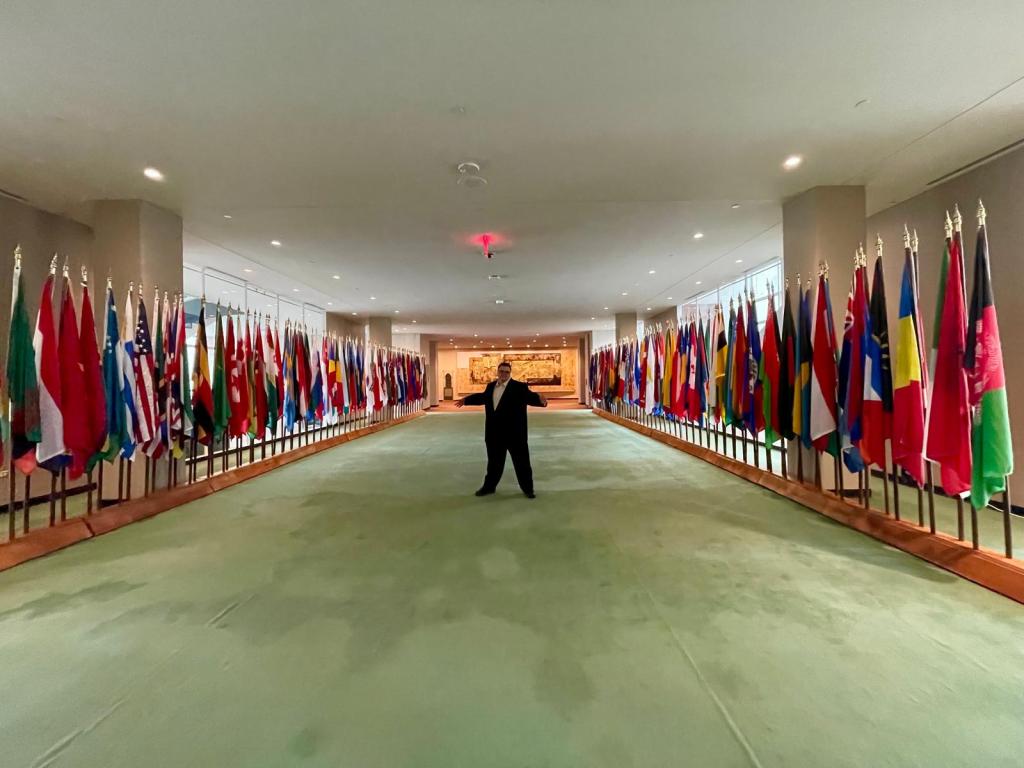
Image 2: A photo of Tim Cologon standing in the middle of the display of the flags of all the member countries within the United Nations building.
United Nations World Down Syndrome Day
What an amazing day! Today Tim and I presented our research at the United Nations for World Down Syndrome Day. We shared the perspectives and ideas of children working together against loneliness.
Speaking from the Trusteeship Council Chambers, we shared what children have told us through our research. Especially children’s experiences of being left out, and the deep desire to belong.
There were 24 children aged 3 to 9 years old in our research. Many of the children, have Down syndrome. We listened to the children in ways that worked for them. We used drawing, play, movement, and art. We also used signing, writing, and communication devices. We engaged with art as a tool for listening to children in research.
What the children shared was both powerful and clear. The children want friendship, inclusion, and to feel part of everyday life. The children want to be accepted and valued Just. As. They. Are.
When the children are left out, it’s not just about missing an activity, it makes the children feel sad, alone, and as though they don’t matter. The children’s words and expressions reminded us just how deeply exclusion impacts a child’s sense of belonging, and sense of who they are in the world.
At the same time, there was so much joy and strength in what the children told us. None of the children wished to change anything about themselves and who they are. Instead, the children asked for fairness, acceptance, and to be included at school, in play, and in their communities. The children showed us that disability is a natural and positive part of being human, and that what really needs to change are the environments and attitudes that exclude them.
Today we shared the perspectives of children who experience disability across the world and reminded everyone that children are not only capable of understanding fairness, but of leading change.
As Tim said to conclude our presentation, “If we really listen to children, and take them seriously, imagine how much better the world could be”.
Image description
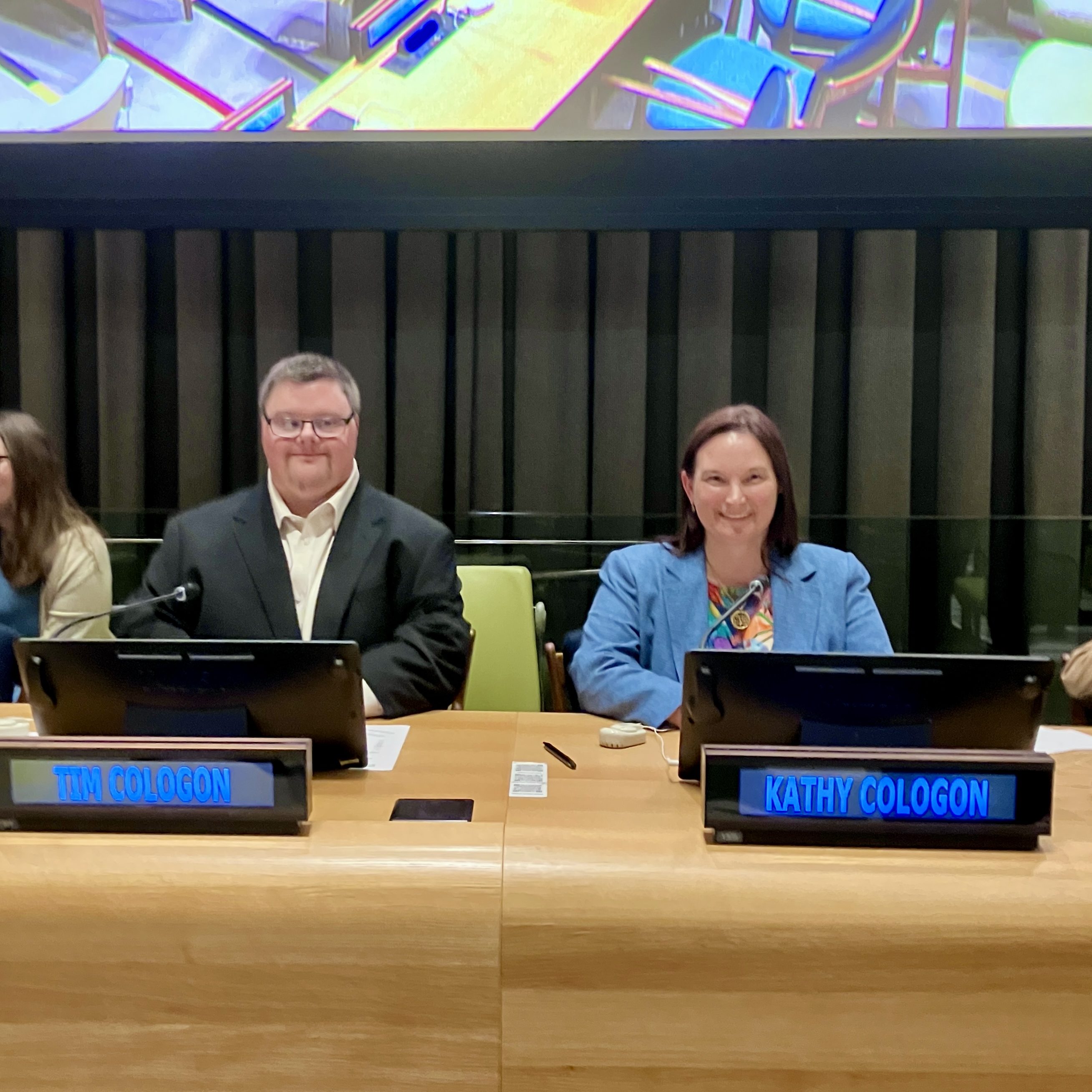
A photo of Tim Cologon and Kathy Cologon sitting side by side at the speakers table in the Trusteeship Council Chamber at the United Nations Headquarters in New York City.
Loading…
Children in the endless aftermath
Visiting the 9/11 Memorial in New York City today was deeply sobering. Sobering in light of the history it holds, and sobering in the face of the state of the world today. Tragic reading the names etched into the memorial and bearing witness to the birthdays that should have been today, each marked with a single rose in memory.
Being at the memorial and remembering that awful day and all that came with it, brought back vividly a story of a little girl who’s father died that day in the twin towers. This little girl, Janie, was 2 and 1/2 years old. I read Janie’s story when I was researching children in emergency and disaster situations across our world. Janie’s story was one of a series of stories in a paper written by Donna Gaffney in 2006, illustrating therapeutic approaches to facilitate integration of crisis and loss in the aftermath of disasters, including 9/11. Janie’s story has never left me.
Following 9/11, Janie was trying to make sense of why her Daddy wasn’t coming home. The adults around her were doing their best to support her in this process. Janie’s mother had explained that there was a fire in the building where her Daddy worked and the fireman came, but they didn’t have ladders tall enough to save Daddy and the other people with him.
At play group, Janie found a little ladder and a wreath that looked like a coil of rope. She clung to these and took them everywhere with her, playing out a different ending.
My heart aches for Janie and for every child and family grappling with the aftermath of the seemingly endless crises in our world. The cruelty of the violence and its outcomes on people who are so removed from those who choose to wreak havoc is inexplicable – at any age.
It feels so inadequate to call for kindness. But perhaps, as we hold our children in the face of the world and listen to them, kindness is the strongest shield we have.
Gaffney’s article is: Gaffney, D. A. (2006). The aftermath of disaster: Children in crisis. Journal of clinical psychology, 62(8), 1001-1016.
Image description: A photograph of the 9/11 Memorial in New York City. The photo shows the never ending waterfall surrounded by and reflecting the buildings of the One World Trade Centre and other buildings against a blue sky.